
8 Days Lemosho Route Trek
A quiet, scenic, and highly effective route to the Roof of Africa.
8 Days Lemosho Route Trek Overview
The 8 Days Lemosho Route is one of the best ways to climb Mount Kilimanjaro at a steady, manageable pace. Starting from the western side of the mountain, this route begins in a quiet forest area and gradually moves through different landscapes, from lush rainforest to open moorland, and finally to the rocky slopes near the summit.
This longer route gives your body more time to adjust to the altitude, which can increase your chances of reaching the top safely. The trail is less crowded at the beginning and offers a more peaceful trekking experience.
Over eight days, you’ll follow a well-planned schedule that balances walking, resting, and sleeping at different altitudes. That balance makes the 8 Days Lemosho Route a good choice for those who want a full Kilimanjaro experience without rushing.
If you’re looking for a route that combines good acclimatization, varied scenery, and fewer crowds early on, the 8 Days Lemosho Route is a strong option to consider.
Remote Trail Start
The 8 Days Lemosho Route begins on the quiet western side of Kilimanjaro. This gives you a peaceful start, away from the busy routes, with time to ease into the trek.
Better Acclimatization
Spending eight days on the mountain gives your body time to adjust slowly to higher altitudes. This can make a real difference in your comfort and success on summit day.
Changing Landscapes
Each day brings a new environment, from rainforest to open moorland, alpine desert, and the snow-covered summit. The scenery changes as you climb, keeping the journey interesting.
Support from a Skilled Team
You’ll be guided by experienced mountain staff, including certified guides, porters, and a cook. They’ll help carry gear, prepare meals, and look after your well-being throughout the trek.
Nights in Nature
At the end of each day, you’ll camp in the open air, surrounded by nature and a clear view of the night sky. It’s a quiet and special way to end each part of the climb.
Day 1: Lemosho Starting Point to Mti Mkubwa
-Elevation: 2100M amsl to 2650M amsl
-Distance: 6 km/4 miles
-Hiking Time: 3-4 hours
-Habitat: Montane Forest
We depart Moshi for Lemosho Gate, which takes about 4 hours, where you will complete entry formalities. Then drive to the Lemosho trailhead. Upon arrival at trailhead, we begin hiking through undisturbed forest which winds to the first camp site.
Day 2: Mti Mkubwa to Shira 1 Camp
-Elevation: 2650M amsl to 3610M amsl
-Distance: 8 km/ 5miles
-Hiking Time 5-6 hours
-Habitat: Montane Forest
We continue on the trail leading out of the rain forest and into a savannah of tall grasses, heather and volcanic rock draped with lichen beards. As we ascend through the lush rolling hills and cross several streams, we reach the Shira Ridge before dropping gently down to Shira 1 Camp. Here we catch our first glimpse of Kibo across the plateau.
Day 3: Shira 1 Camp to Shira 2 Camp
-Elevation: 3610M amsl to 3850M amsl.
-Distance: 11 km/ 7 miles
-Hiking Time: 5-7 hours
-Habitat: Moorland
We explore the Shira Plateau for a full day. It is a gentle walk east on moorland meadows towards Shira 2 Camp. Then we will have an option to sport and acclimatize at Shira Cathedral, a little used site on the base of Lent Hills. A variety of walks are available on Lent Hills making this an excellent acclimatization opportunity. Shira Plateau is one of the highest plateaus on earth.
Day 4: Shira 2 to Lava Tower
-Elevation: 3850M amsl to 4600M amsl
-Distance: 7 km/4 miles
-Hiking Time: 4-5 hours
-Habitat: Moorland
Lava Tower to Barranco Camp
-Elevation: 4600M amsl to 3900M amsl
-Distance: 3 km/2 miles
-Hiking Time: 2-3 hours
-Habitat: Alpine Desert
We begin the day climbing up a ridge and then head southeast towards the Lava Tower – a 300 ft tall volcanic rock formation. We descend down to Barranco Camp through the strange but beautiful Senecio Forest to an altitude of 13,000 ft. Although you begin and end the day at the same elevation, the time spent at higher altitude is very beneficial for acclimatization.
Day 5: Barranco Camp to Karanga Camp
-Elevation: 3900M amsl to 3995M amsl
-Distance: 5 km/3 miles
-Hiking Time: 4-5 hours
-Habitat: Moorland
We begin the day by descending into a ravine to the base of the Great Barranco Wall. Then we climb the non-technical but steep, nearly 900 ft cliff. From the top of the Barranco Wall we cross a series of hills and valleys until we descend sharply into Karanga Valley. One more steep climb up leads us to Karanga Camp. This is a shorter day meant for acclimatization.
Day 6: Karanga Camp to Barafu Camp
-Elevation: 3995M amsl to 4673M amsl
-Distance: 4 km/2 miles
-Hiking Time: 4-5 hours
-Habitat: Alpine Desert
We leave Karanga and hit the junction which connects with the Mweka Trail. We continue up to the rocky section to Barafu Hut. At this point, you have completed the Southern Circuit, which offers views of the summit from many different angles. Here we make camp, rest and enjoy an early dinner to prepare for the summit day. The two peaks of Mawenzi and Kibo are viewable from this position.
Day 7: Barafu Camp to Uhuru Peak
-Elevation: 4673M amsl to 5895M amsl.
-Distance: 5 km/3 miles
-Hiking Time: 7-8 hours
-Habitat: Alpine Desert
Uhuru Peak to Mweka Camp
-Elevation: 5895M amsl to 3100M amsl
-Distance: 12 km/7 miles
-Hiking Time: 4-6 hours
-Habitat: Ice Cap
Very early in the morning (around midnight), we begin our push to the summit. This is the most mentally and physically challenging portion of the trek. The wind and cold at this elevation and time of day can be extreme. We ascend in the darkness for several hours while taking frequent, but short, breaks.
Near Stella Point (18,900 ft), you will be rewarded with the most magnificent sunrise you are ever likely to see coming over Mawenzi Peak. Finally, we arrive at Uhuru Peak- the highest point on Mount Kilimanjaro and the continent of Africa.
From the summit, we now make our descent continuing straight down to the Mweka Hut camp site, stopping at Barafu for lunch. The trail is very rocky and can be quite hard on the knees; trekking poles are helpful. Mweka Camp is situated in the upper forest and mist or rain can be expected in the late afternoon. Later in the evening, we enjoy our last dinner on the mountain and a well-earned sleep.
Day 8: Mweka Camp to Mweka Gate
-Elevation: 3100M amsl to 1640M amsl
-Distance: 10 km/6 miles
-Hiking Time: 3-4 hours
-Habitat: Moorland/ Montane Forest
On our last day, we continue the descent to
Mweka Gate and collect the summit certificates. At lower elevations, it can be wet and muddy. From the gate, we continue another hour to Mweka Village. A vehicle will meet us at Mweka Village to drive us back to the hotel in Moshi
What’s Included
- Licensed professional guides with first aid and high-altitude training
- Experienced porters and a personal cook
- All national park fees, camping fees, and rescue fees
- High-quality tents, sleeping mats, and mess tent
- All meals on the mountain (breakfast, lunch, dinner)
- Clean drinking water daily • 2 nights hotel in Moshi (before and after trek)
- Airport transfers to and from Kilimanjaro International Airport (JRO)
Not Included
- International airfare
- Tanzanian visa
- Travel insurance (required)
- Gratuities for crew (guides, porters, cook)
- Personal climbing gear (available for rent in Moshi)
8 Days Lemosho Route Key Scenic Highlights
Montane Forest Beginnings
Your trek begins in the dense, untouched montane rainforest, where towering trees and rich green foliage create an enchanting start. The path winds through quiet woodlands teeming with unique flora and possible sightings of colobus monkeys before transitioning into heath and moorland landscapes.
Shira Plateau
One of the highest plateaus in the world, Shira Plateau is a surreal expanse of moorland scattered with giant lobelias and senecios. The views are expansive, and you’ll enjoy a full day of exploration, including the option to ascend Shira Cathedral, a dramatic rock outcrop offering panoramic vistas.
Lava Tower
At Lava Tower, a striking 300-foot volcanic rock formation, you’ll witness Kilimanjaro’s raw volcanic origins. The trail then descends through the Senecio Forest, filled with towering alien-like plants, into a unique alpine desert ecosystem—an area of stark beauty and otherworldly landscapes.
Barranco Wall
This trek features an exhilarating scramble up the Great Barranco Wall, also known as the “Breakfast Wall.” Though steep, it is non-technical and highly rewarding, offering breathtaking views back across the valleys and ridgelines you’ve traversed.
Karanga Valley
The Karanga Valley is one of Kilimanjaro’s most scenic and underrated features. After the thrilling ascent of the Great Barranco Wall, the trail dips and rises through a dramatic landscape of rolling ridges before descending into this striking glacial valley. Surrounded by rugged peaks and carved by ancient water flow, Karanga offers panoramic views that feel both vast and intimate
Barafu Camp
Barafu Camp sits on a narrow, open ridge at 4,673 meters. It’s the last camp before you climb to the summit, and it really feels like you’re on the edge of the world. Barafu means “ice” in Swahili, which fits the cold and rocky setting. The camp is surrounded by dry, high-altitude landscape and gives you amazing views of Mawenzi Peak and the final path leading up to Uhuru Peak.
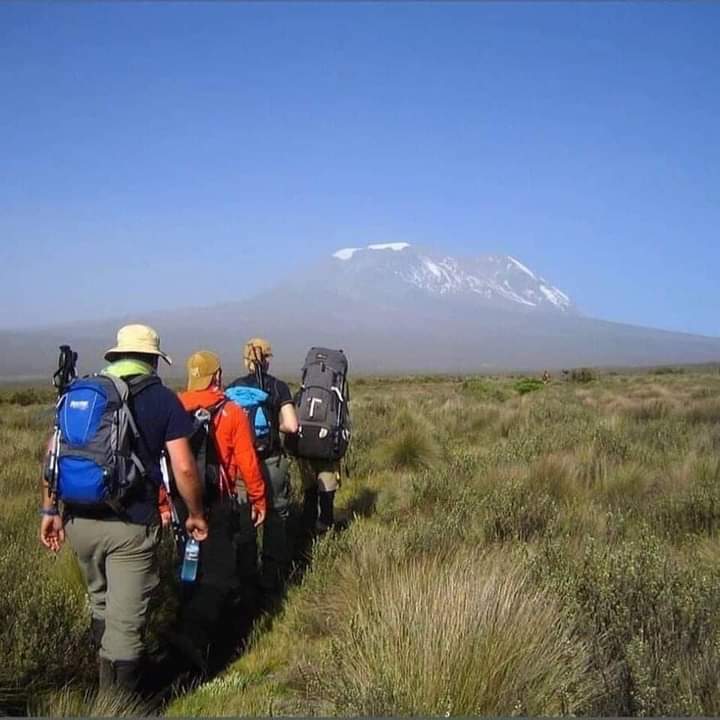
Why Choose the 8 Days Lemosho Route?
Low Crowds, Big Rewards
The 8 Days Lemosho Route offers a quieter trail, giving you a more peaceful and personal connection with the mountain.
Higher Success with a Longer Itinerary
Spending eight days on the mountain means better acclimatization and a higher chance of reaching the summit safely.
Breathtaking Scenery
Known for its dramatic landscapes, the Lemosho Route showcases everything from rainforest to alpine desert and glacier views.
Great for First-Time Trekkers
With a gradual pace and scenic approach, the 8 Days Lemosho Route is ideal for fit beginners looking for a rewarding challenge.
How the Landscape Changes on the 8 Days Lemosho Route
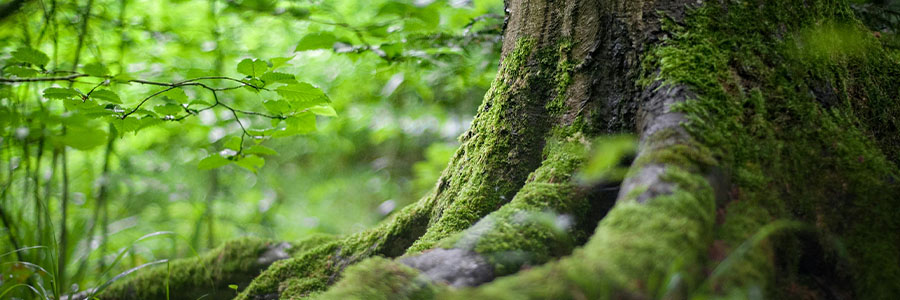
Rainforest Zone on the 8 Days Lemosho Route
The 8 Days Lemosho Route starts at Lemosho Gate (2,100 m), entering a lush rainforest filled with birdcalls and wildlife. Trekkers often spot blue and colobus monkeys along the shady, humid trail—an enchanting start to the journey.
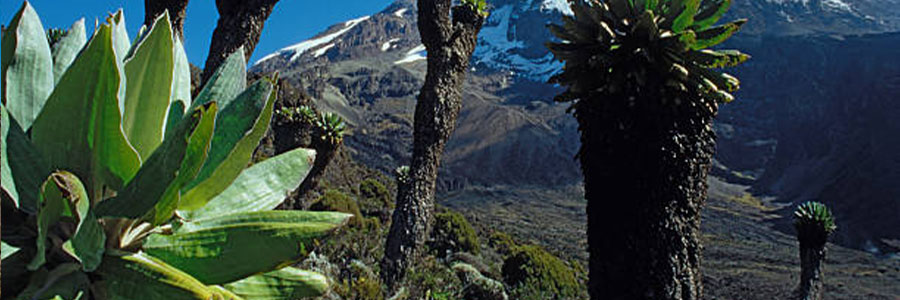
Heather and Moorland on the 8 Days Lemosho Route
As you climb, vegetation becomes shorter and more open, featuring heather shrubs, volcanic boulders, and surreal cloud formations, with expansive views and stunning sunsets.
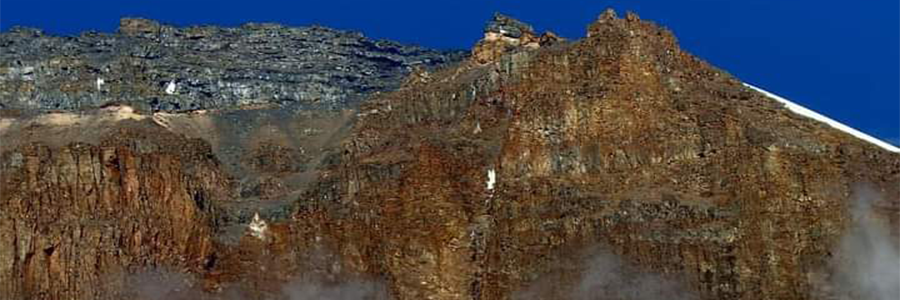
Alpine Desert Zone
Above 4,000 meters, the 8 Days Lemosho Route enters the Alpine Desert—dry, rocky, and windswept. With colder air and vast, barren landscapes, this zone feels remote and otherworldly.

Arctic Zone
From 5,000 meters to Uhuru Peak (5,895 m), the 8 Days Lemosho Route reaches its final stage—an icy, wind-blasted world of glaciers and snow. The stark beauty and thin air make the summit push both surreal and deeply moving.
Preparing for Your 8 Days Lemosho Route Trek

Fitness Tips:
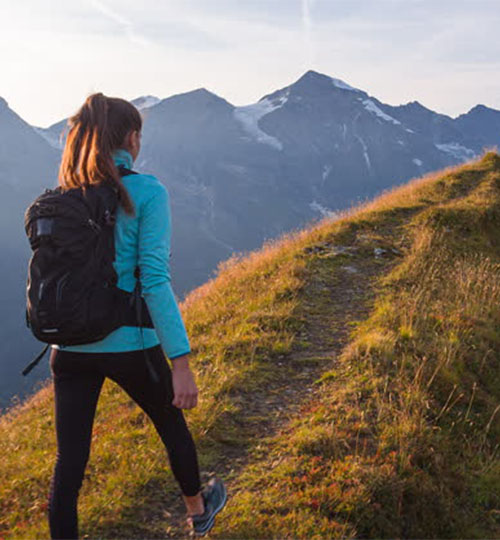
• Begin training 6–8 weeks in advance.
• Focus on cardio and leg strength: hiking, stair climbing, cycling.
• Practice walking with a loaded daypack.
• Take long walks over uneven terrain to simulate trail conditions.
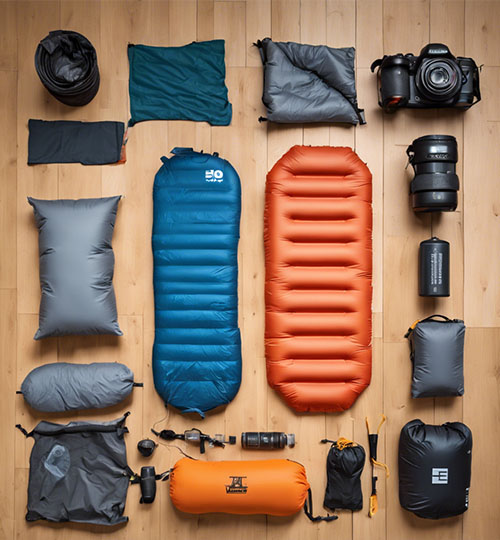
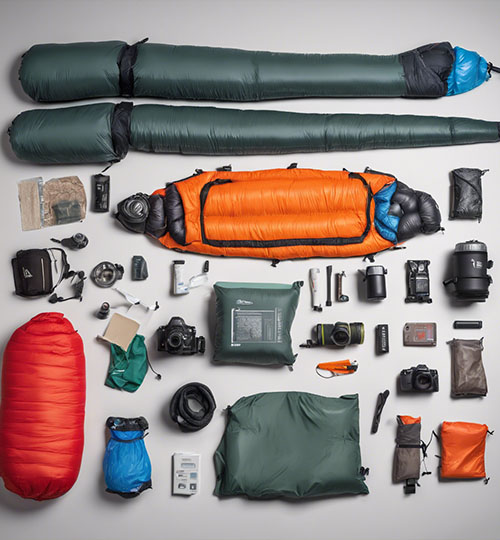
Packing Essentials:
• Broken-in, waterproof hiking boots
• Thermal layers, fleece, and a down jacket
• Waterproof outer layers (jacket and pants)
• Sleeping bag rated to -10°C or colder
• Headlamp, trekking poles, gloves, and hat
• Sunglasses, SPF, and lip balm
• Refillable water bottles and hydration system
Why Trek With Us?
- A Decade of Experience: We’ve guided hundreds of climbers to the summit safely.
- Personalized Service: Small groups and attentive care.
- Fair & Ethical: We ensure fair wages for all staff and support local communities.
- Safety Comes First: Our guides are wilderness first aid trained and carry oxygen and medical kits.
Ready to go on 8 Days Lemosho Route Trek?
We’re here to help you plan the perfect 8 Days Lemosho Route experience.
Frequently Asked Questions About 8 Days Lemosho Route
Is Lemosho harder than other routes
The Lemosho Route is considered moderate in difficulty. Its longer duration allows better acclimatization, which makes it easier for many trekkers compared to shorter, steeper routes.
How cold does it get?
Temperatures can drop to -10°C or lower at night near the summit. Proper gear is essential for staying warm and safe.
Do I need prior trekking experience?
No technical climbing skills are required, but good physical fitness is important. Many first-time trekkers successfully summit via Lemosho.
Can I rent gear in Moshi?
Yes, we offer a wide range of high-quality rental equipment, including boots, jackets, sleeping bags, and more
What if I get altitude sickness?
Our guides monitor your health daily. We follow a strict acclimatization schedule and carry emergency oxygen and a portable stretcher
What is the best time to climb the 8 Days Lemosho Route?
The best months are January to mid-March and June to October, when the weather is drier and clearer.
Are group climbs available
We offer both scheduled group climbs and private treks on your preferred dates.
Are guides and porters required on the 8 Days Lemosho Route?
Yes, Kilimanjaro regulations require all climbers to be accompanied by licensed guides and support staff.